
Library Availability
The following organizations have indicated they will carry The Haddock Family of English Seafarers. Check with your local library for availability or to request the addition of copies to its collection.
The following organizations have indicated they will carry The Haddock Family of English Seafarers. Check with your local library for availability or to request the addition of copies to its collection.
The March 2026 edition of this members’ magazine (no. 187, page 52) announces “The Haddock Family of English Seafarers: A New Comprehensive History.” For detail see The Essex Society for Family History, https://www.esfh.org.uk/index.php.
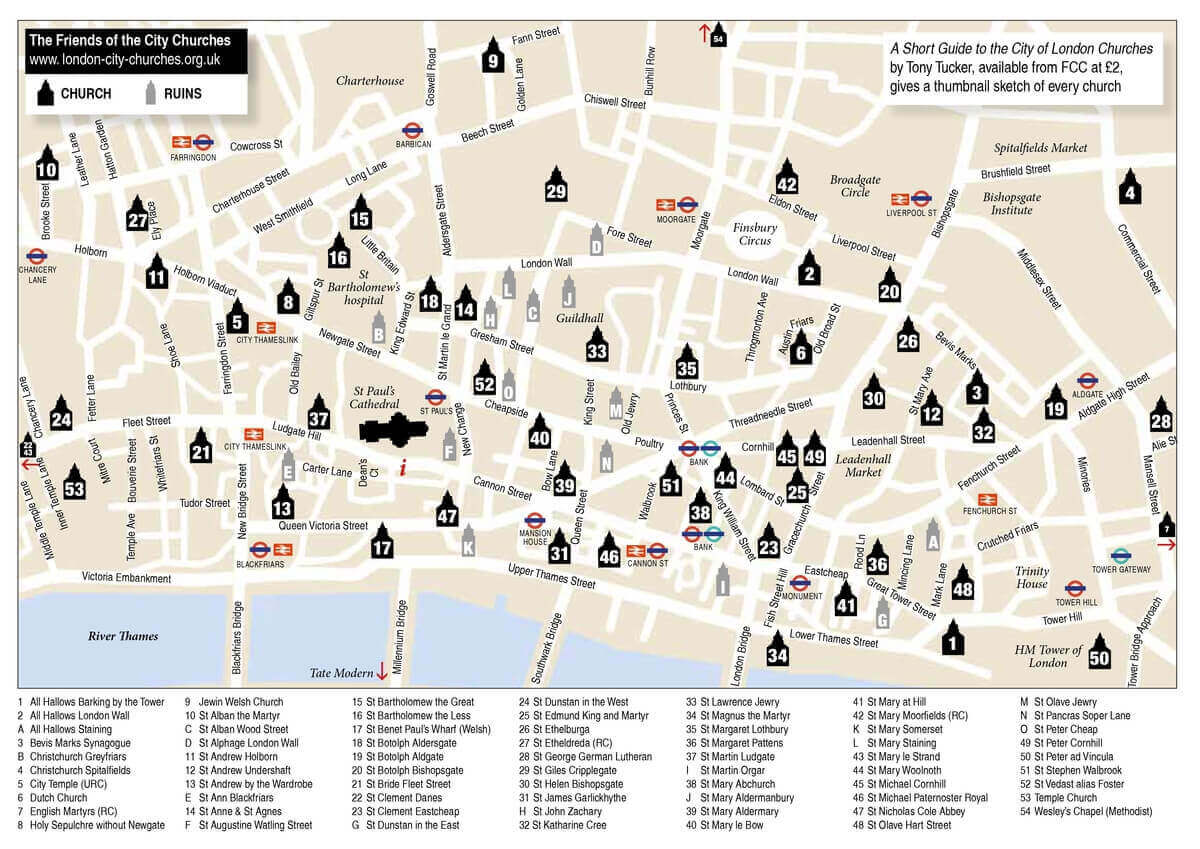
Many members of the Haddock family of seafarers were baptized, married, or buried at some of the churches noted on this map. Naval officers in the family often worshipped at St. Olave Hart Street (number 48), the Anglican church closest to the Navy office.
The Society for Nautical Research, based in London, England, announced publication ofThe Haddock Family of English Seafarers: Merchant Mariners and Naval Officers 1327–1941 in the February 2026 edition of its member newsletter.
The Kent (UK) Archaeology Society has posted news about publication of The Haddock Family of English Seafarers: Merchant Mariners and Naval Officers 1327-1941 on its website.
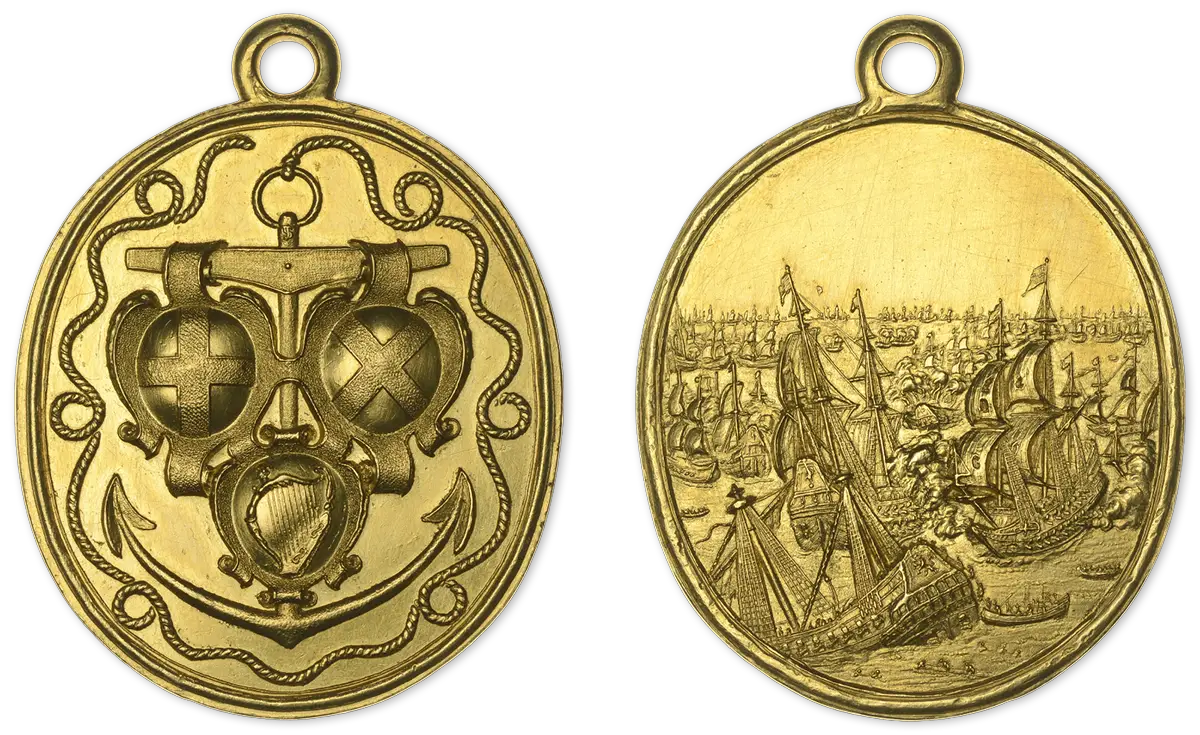
Back in December 2020 I was searching for the whereabouts of the Plaine Borderless Medal that (later Admiral Sir) Richard Haddock (c.1629–1715) was awarded for gallantry in the first three battles of the First Anglo-Dutch War (1652–54) (See chapter 6).
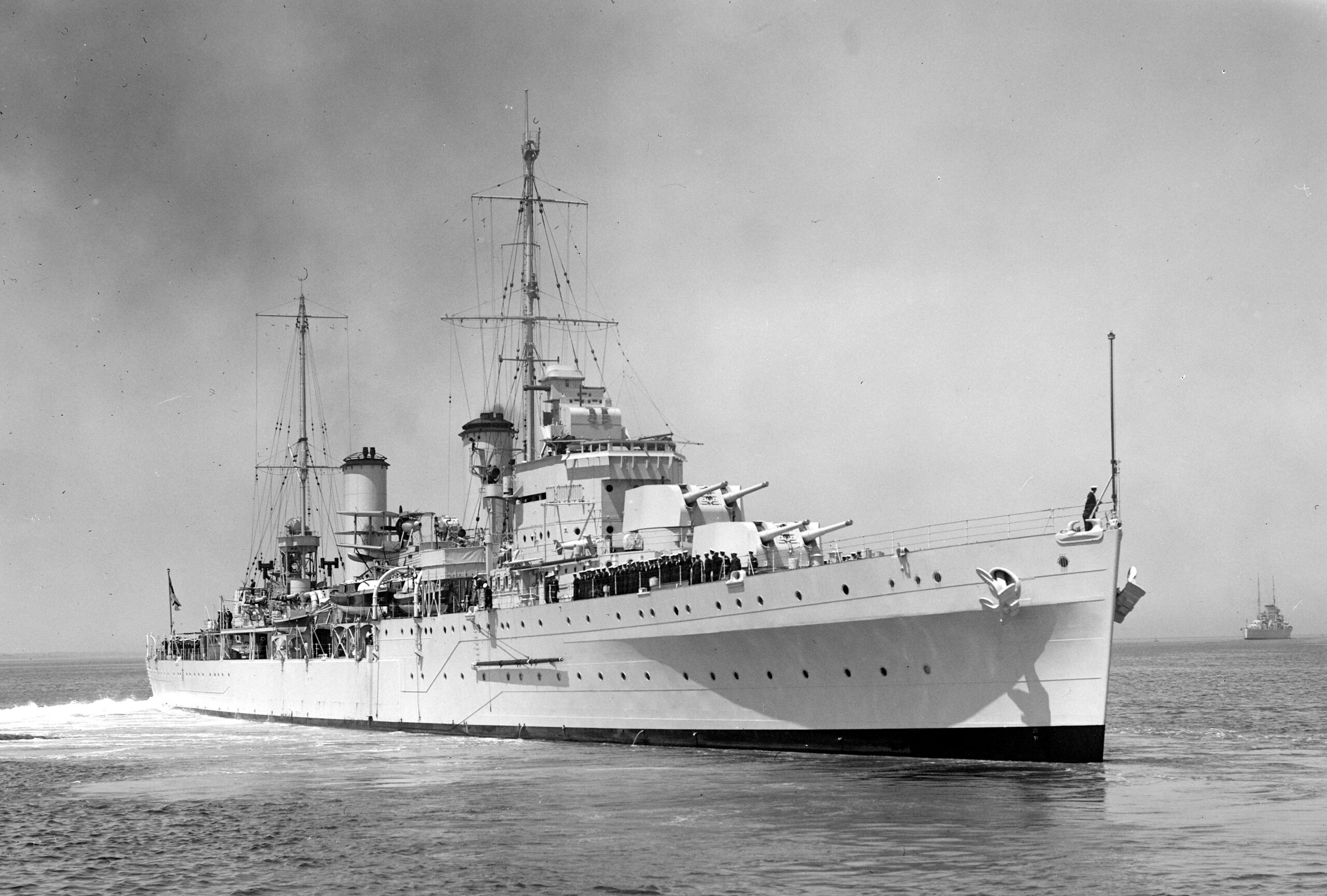
Commander Edmund Wybergh Thruston, a fourth great-grandson of Admiral Nicholas Haddock, had a jaunty personality and often entertained his fellow sailors with musical comedies.
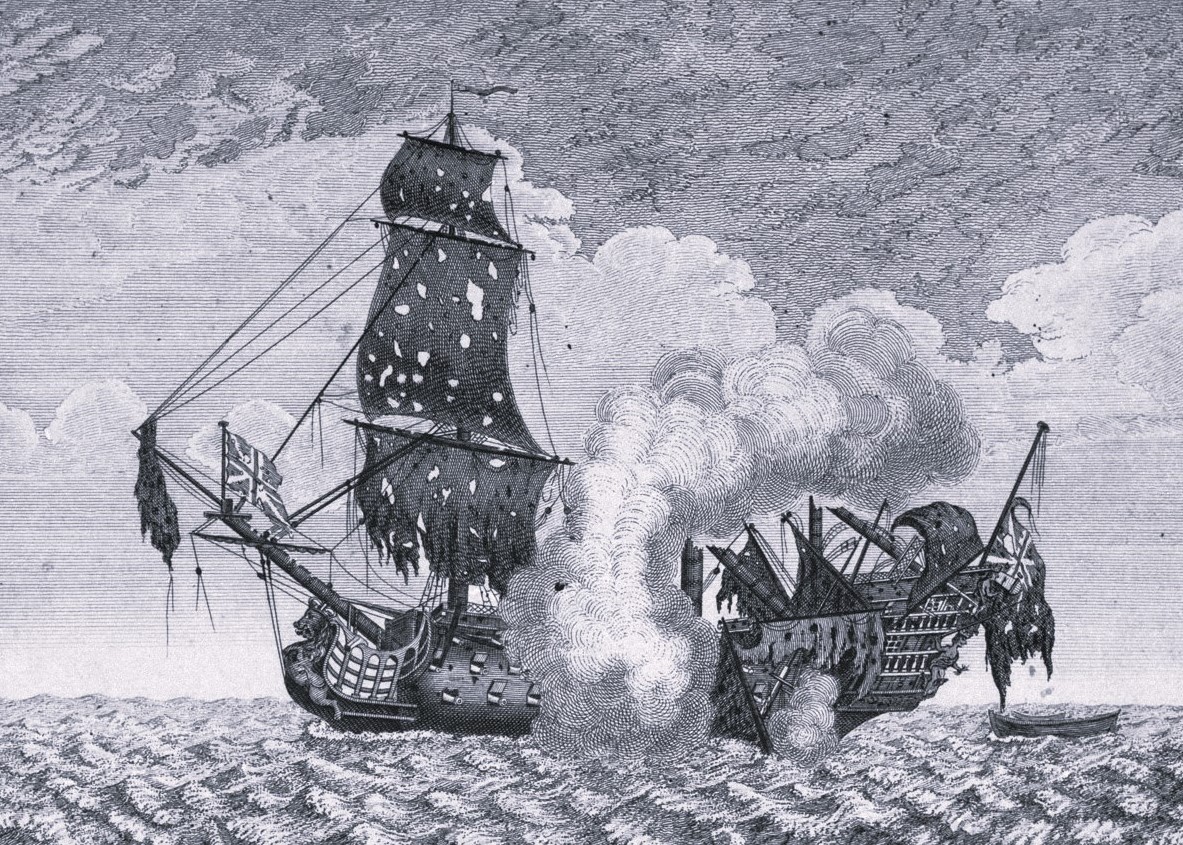
During the War of the Austrian Succession (1740–48), the British fought the Spanish at the Battle of Toulon, off the coast of France.
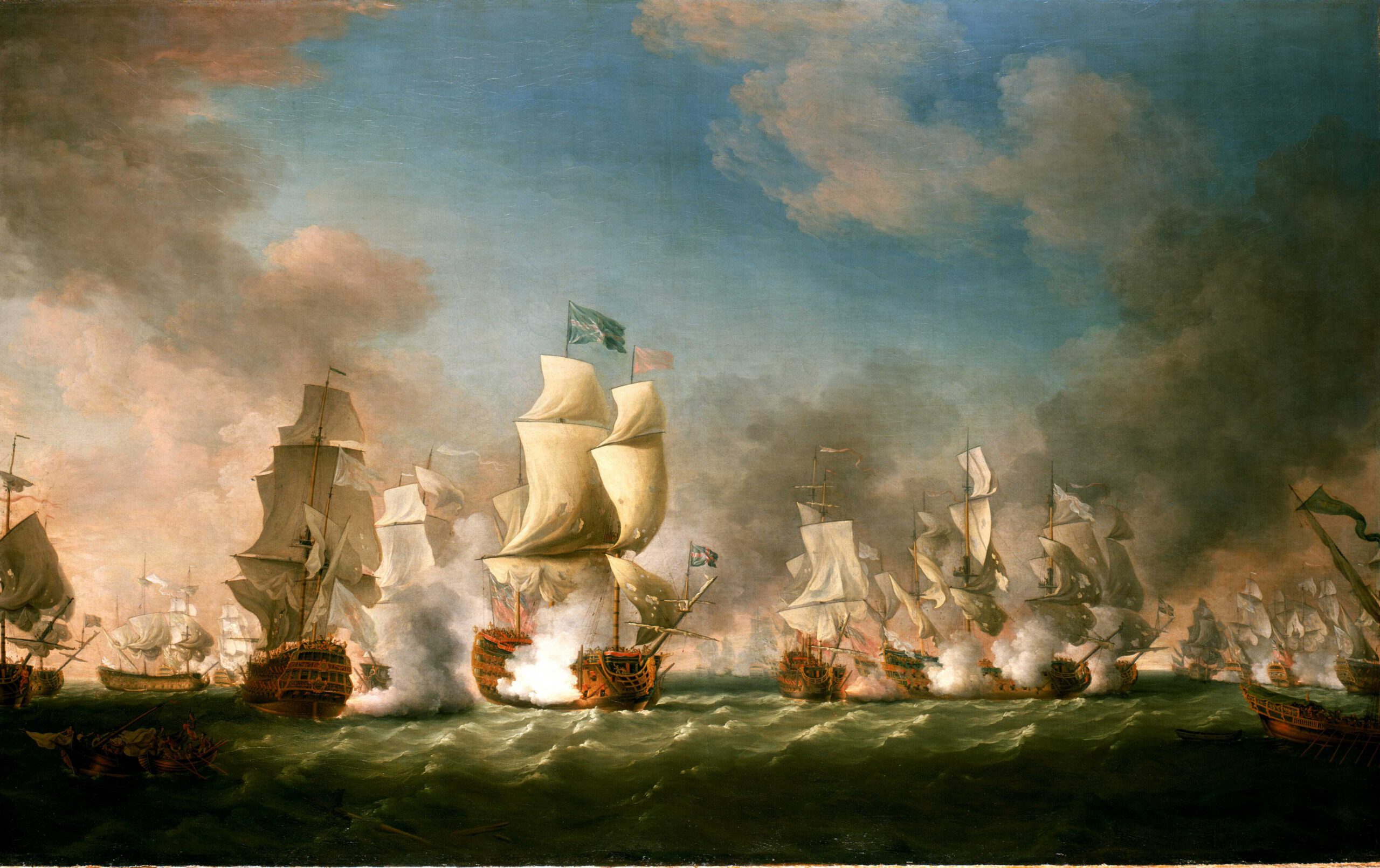
In 1718 Britain allied with Austria and other countries to deter aggression by Spain, which had lost its Italian empire to Austria under the 1713–14 Peace of Utrecht.
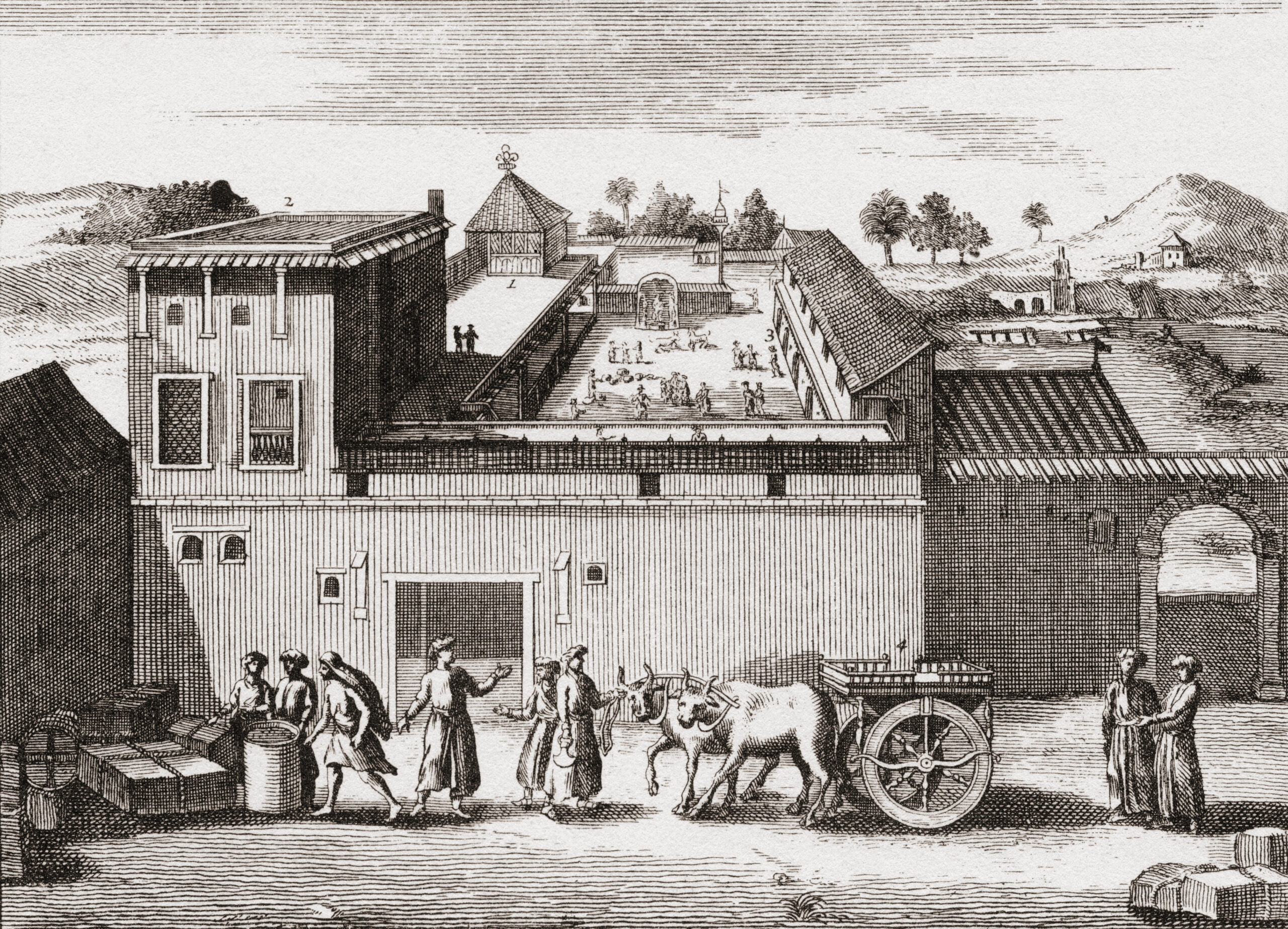
In the 17th century, the trade of the English East India Company (EIC) was mostly focused on Surat, a textile center on India’s northwestern coast.